
Top Products For Geese Removals To Keep Your Property Safe
Explore the leading solutions designed to effectively deter geese and protect your outdoor spaces with ease.
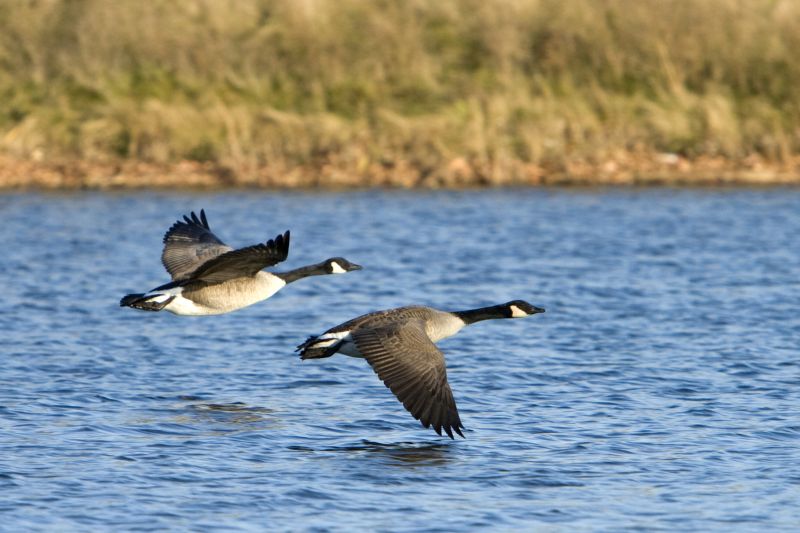 Dealing with geese in outdoor spaces often requires a combination of humane deterrents and physical barriers. Effective products for geese removal aim to discourage these birds from settling in unwanted areas such as ponds, lawns, or golf courses. Many solutions focus on providing a visual or auditory deterrent that mimics natural predators or disrupts the geese's comfort zone. Additionally, physical barriers like fencing or netting can prevent access to specific areas, reducing the likelihood of geese nesting or congregating. When selecting products, it's important to consider safety, ease of use, and the specific environment where the geese are a concern.
Top Overall Option
Humane Bird Deterrent System
A versatile and humane bird deterrent system typically combines visual scare devices, sound emitters, and motion sensors to create a multi-layered approach to discouraging geese. These systems are designed to be easy to install and operate, often with adjustable settings to suit different environments. They are suitable for both residential and commercial properties, providing a non-lethal way to manage geese presence effectively. Regular repositioning and maintenance can enhance their performance, making them a popular choice for ongoing bird control efforts.
Types of Products For Geese Removals
Visual Scare Devices
Reflective tapes, predator decoys, and scare balloons that move or shimmer to frighten geese away.
Sound Emitters
Devices that produce distress calls or predator sounds to discourage geese from settling nearby.
Motion-Activated Devices
Sensors that trigger sounds or visual effects when movement is detected, adding an element of surprise.
Physical Barriers
Fencing, netting, or wire enclosures designed to physically prevent access to specific areas.
Repellent Gel or Spray
Chemical-free deterrents applied to surfaces to make them less attractive to geese.
Ultrasonic Devices
Electronic devices emitting high-frequency sounds that are uncomfortable for geese.
Decoy Predators
Life-sized decoys of predators such as foxes or hawks to scare geese away.
Water-Based Repellents
Sprays or devices that create water disturbances or sprays to deter geese from landing.
Bird Spikes
Physical deterrents installed on ledges or rooftops to prevent roosting.
Laser Deterrents
Handheld or mounted laser devices that create moving lights to scare birds away.
Netting Solutions
Lightweight netting designed to cover ponds or lawns and prevent access.
Landscape Modifications
Alterations such as removing food sources or changing landscape features to reduce attractants.
Bird Wire Systems
Flexible wire systems that discourage roosting on ledges or flat surfaces.
Reflective Balloons
Bright, reflective balloons that move in the wind to startle and deter geese.
Portable Deterrent Devices
Battery-operated or solar-powered devices that can be moved easily around the property.
Popular Choices
A simple and cost-effective visual deterrent that shimmers in the sunlight to discourage geese.
Decoys resembling predators like foxes or hawks are commonly used to create a sense of danger.
Sprinklers that activate upon movement, creating a sudden water spray to deter birds.
Devices emitting high-frequency sounds that are generally uncomfortable for geese.
Lightweight netting that can be draped over ponds or lawns to prevent access.
Reflective, moving balloons that mimic predators and startle geese away.
Spikes installed on ledges or rooftops to prevent geese from roosting.
Handheld or mounted lasers that create moving lights to scare birds from the area.
Realistic decoys of natural predators to create a perceived threat for geese.
Devices that spray water intermittently to discourage landing or nesting.
Highly reflective tape that shimmers and moves in the wind to deter geese.
Compact devices that can be easily moved to different locations around the property.
Sticky gels applied to surfaces to make them less attractive for landing or nesting.
Modifications such as removing food sources or altering habitat features to reduce attractants.
Humane deterrents are designed to make the area less appealing to geese without causing harm. These can include visual scare devices such as reflective tapes, predator decoys, or motion-activated devices that emit sounds or sudden movements. Physical barriers like lightweight netting or wire fencing are also popular for creating physical obstructions that prevent geese from entering designated zones. Some products combine multiple methods, offering a comprehensive approach to bird management. Proper installation and consistent use of these products can help maintain a peaceful outdoor space while respecting wildlife.
It is crucial to select products that are suitable for the size of the area and the level of geese activity. Regular maintenance and repositioning of deterrents can increase their effectiveness. For larger properties or commercial settings, more robust options such as automated sound emitters or large-scale netting systems might be recommended. Always prioritize products that are easy to handle and install, especially if frequent adjustments are needed. By combining different types of products, property owners can develop a tailored strategy that minimizes geese presence effectively and humanely.
Key Buying Considerations
- Effectiveness of the deterrent method for your specific environment and geese activity level.
- Ease of installation and whether the product requires professional setup or is DIY friendly.
- Safety for humans, pets, and other wildlife in the area.
- Durability and weather resistance, especially for outdoor use in various climates.
- Maintenance requirements, including cleaning, repositioning, or replacing parts.
- Range and coverage area of the product to ensure it suits your property size.
- Humane approach and whether the product causes harm or discomfort to the birds.
- Compatibility with existing landscape features or structures.
- Portability if you need to move or adjust the deterrent frequently.
- Cost-effectiveness relative to the area size and level of geese activity.
- Availability of customer support or warranty services from the manufacturer.
- Environmental impact and chemical-free options if preferred.
- Effectiveness over time, including potential habituation by geese.
- Aesthetic considerations and how the deterrent fits with your outdoor space.
- Legal considerations or restrictions related to bird deterrent devices in your area.