Wildlife Removal vs. Pest Control: Understanding the Difference
Wildlife removal or pest control services help homeowners safely eliminate animals or pests, with local contractors specializing in the appropriate methods for each situation.
Understanding the difference between wildlife removal and pest control is important for property owners dealing with unwanted visitors. While both services aim to protect your home or business, they address distinct issues-wildlife removal focuses on safely and humanely removing larger animals like raccoons, squirrels, or bats that have entered a property, whereas pest control targets smaller pests such as insects, rodents, or termites. Knowing which approach is appropriate can help ensure the problem is handled effectively and safely, preventing further damage or health concerns.
For those in the area facing wildlife intrusions or pest infestations, exploring these differences can lead to better decisions about the right professional help. Local service providers specialize in either wildlife removal or pest control, offering tailored solutions to meet specific needs. Whether it’s sealing entry points for larger animals or managing insect populations, understanding these services can make it easier to find the right expertise. Keep reading to learn more about how local contractors can assist with wildlife and pest-related challenges.
- Wildlife removal - needed when animals like raccoons or squirrels invade attics or crawl spaces, with local contractors specializing in humane exclusion methods.
- Pest control - appropriate for infestations of insects or rodents within indoor spaces, with service providers using targeted treatments to eliminate pests.
- Wildlife removal - required when large animals cause property damage or pose health risks, with local pros focusing on safe removal and habitat exclusion.
- Pest control - used for ongoing insect or rodent problems, where local contractors implement preventative measures to keep pests from returning.
- Wildlife removal - suitable for situations where animals are active around the exterior of the property, with experts providing humane trapping and exclusion solutions.
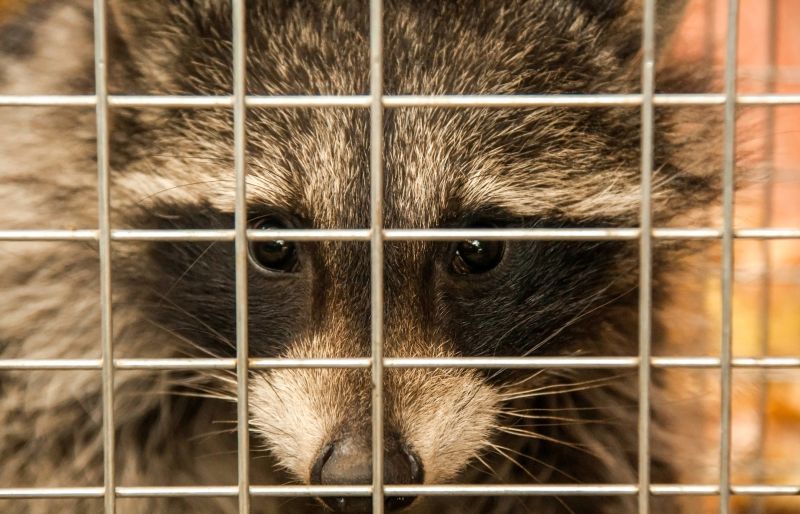
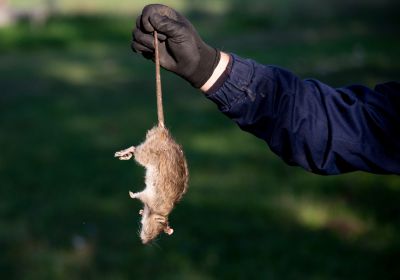
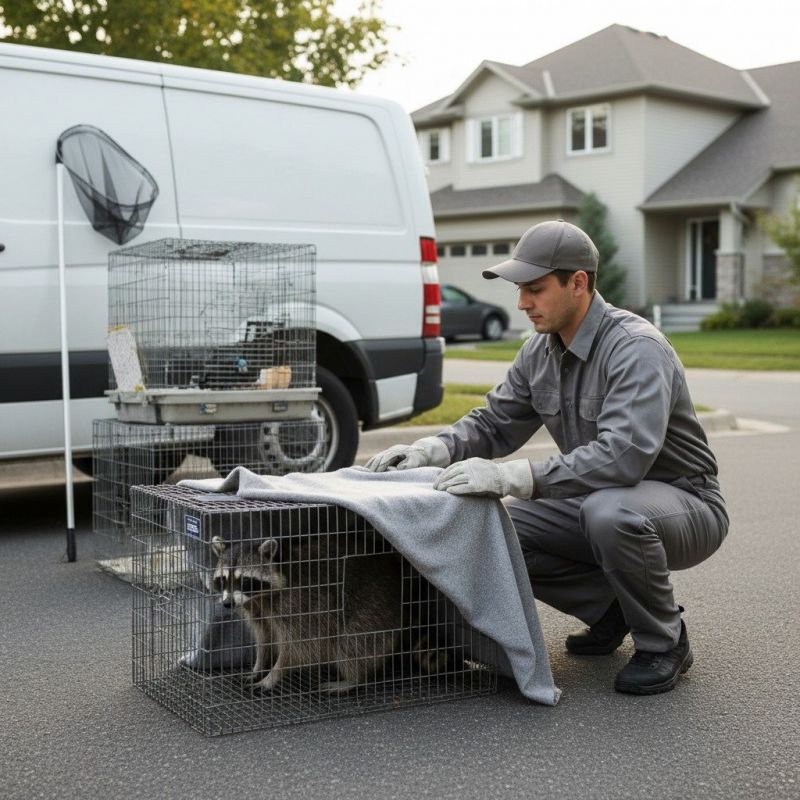
When people search for wildlife removal vs. pest control: understanding the difference, they are often trying to clarify which type of service best fits their specific problem. Many homeowners encounter situations where animals like raccoons, squirrels, or bats have taken up residence in their attic, chimney, or walls. These issues are typically related to wildlife removal, which focuses on safely and humanely removing animals that have entered or nested on a property. On the other hand, pest control usually addresses infestations of insects or rodents that are causing damage or health concerns, such as ants, cockroaches, or mice. Understanding these distinctions helps homeowners identify the right type of service needed to resolve their problem effectively.
The problems connected to wildlife removal vs. pest control often involve different plans and approaches. Wildlife removal generally requires locating entry points, humane trapping, and ensuring animals do not return. It may also involve sealing off access points to prevent future incursions. Pest control, however, often involves targeted treatments to eliminate insect or rodent populations, along with ongoing prevention strategies. Homeowners seeking help might be dealing with a sudden animal intrusion, ongoing rodent activity, or an insect infestation. Knowing which type of service aligns with the problem can guide homeowners toward the appropriate solutions and ensure that the property is addressed in a way that minimizes damage and disruption.
Certain types of properties tend to come up more frequently in wildlife removal vs. pest control discussions. Residential homes, especially those with attics, basements, or other secluded areas, are common sites for wildlife encounters. These animals often seek shelter during colder months or when their natural habitats are disturbed. Commercial buildings with storage areas or large, open spaces can also attract wildlife or pests. Additionally, properties near wooded areas, waterways, or undeveloped land are more likely to experience wildlife activity. Recognizing the property type and environment can help homeowners determine whether they need wildlife removal services to handle animals or pest control services to address insect or rodent issues.
Local service providers specializing in wildlife removal and pest control are equipped to handle a variety of property-related problems. Wildlife removal pros focus on safely removing animals from homes and commercial spaces, often emphasizing humane practices and property exclusion techniques. Pest control contractors typically use targeted treatments to eliminate insects, rodents, and other pests while implementing prevention measures. Homeowners should consider the nature of their problem and the property’s characteristics when choosing between these services. Connecting with experienced local contractors ensures that the specific issue-whether wildlife encroachment or pest infestation-is addressed effectively, helping to restore safety and comfort to the property.
Exclusion and sealing projects - these projects involve blocking entry points and securing structures, skills commonly used in both wildlife removal and pest control to prevent future infestations.
Trap setting and removal services - professionals often use trapping techniques for wildlife or pests, requiring similar planning, equipment, and safety considerations.
Habitat modification work - altering the environment to make it less attractive to animals or pests involves planning and execution skills relevant to both types of services.
Sanitation and cleanup projects - removing animal droppings, nests, or pest residues requires careful handling and sanitation practices common to wildlife and pest control work.
Inspection and assessment services - identifying signs of wildlife or pest activity involves similar observation skills and knowledge of behavioral patterns.
Structural repairs and damage mitigation - fixing damage caused by animals or pests involves carpentry, sealing, and repair skills applicable across both service types.
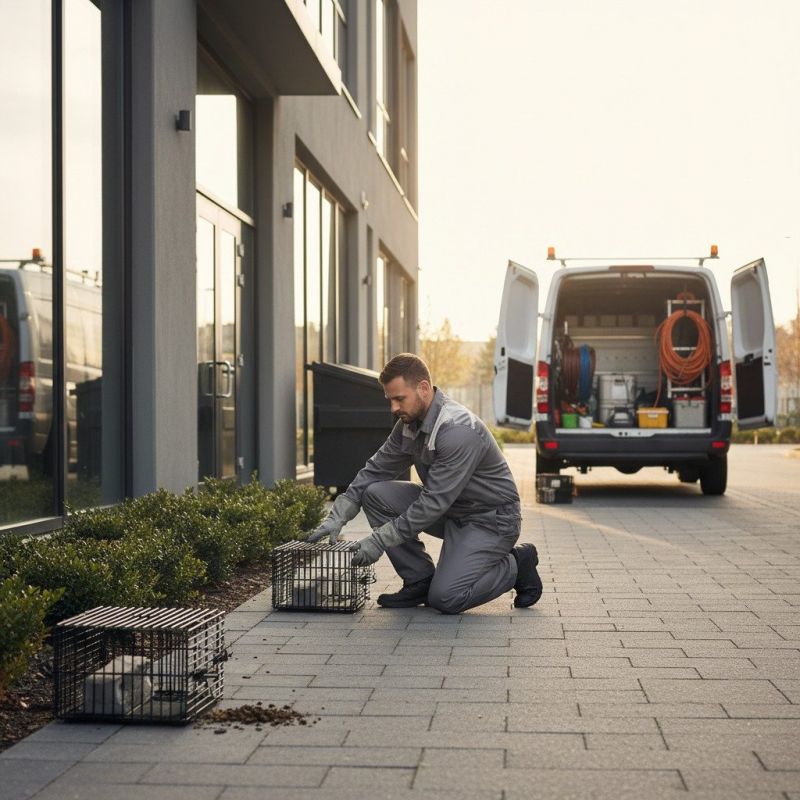
When evaluating wildlife removal versus pest control services, it’s important to consider the experience of local contractors with similar projects. Wildlife removal typically involves handling larger animals such as raccoons, squirrels, or birds that may have entered the home or property, requiring specialized techniques and equipment. Pest control, on the other hand, generally addresses smaller pests like insects and rodents, often with different treatment methods. Reviewing a service provider’s background in managing these specific types of issues can help ensure they have the appropriate skills and knowledge to address the unique challenges of each service.
Clear, written expectations are essential when comparing local service providers for wildlife removal or pest control. A reputable contractor should be able to outline the scope of work, the methods they plan to use, and any follow-up procedures or guarantees. This transparency helps homeowners understand what services will be provided and ensures there are no surprises. It also provides a basis for comparing different providers based on how well they communicate their approach and the level of detail they offer in their written estimates or plans.
Reputable references and effective communication are key factors in selecting a reliable service provider. Asking for references or reviews from previous clients can provide insight into their experience with similar projects and the quality of their work. Good communication involves prompt responses, clear explanations, and a willingness to answer questions or address concerns. This level of professionalism indicates that the contractor values customer understanding and is committed to delivering a service that meets the specific needs of the homeowner, whether for wildlife removal or pest control.
Property owners often search for wildlife removal vs. pest control: understanding the difference when they are planning practical projects around their homes and businesses. Local pros provide Wildlife Removal or Pest Control services for everyday jobs and straightforward project options.
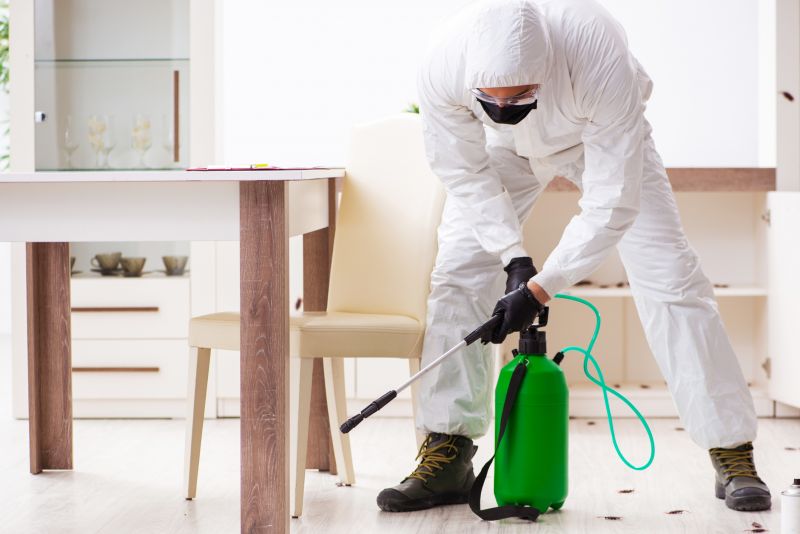
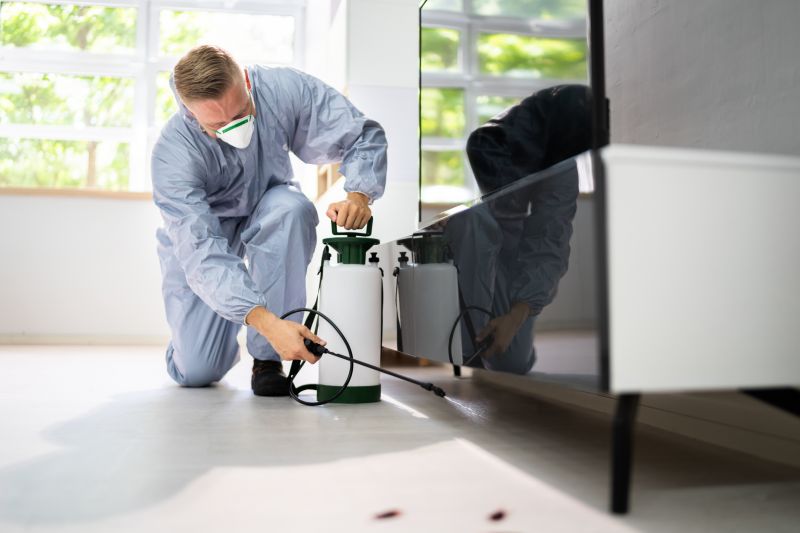
Understanding the difference between wildlife removal and pest control is a common concern for property owners dealing with unwanted animals or insects on their property. For example, when animals like raccoons, squirrels, or bats find their way into attics or crawl spaces, wildlife removal services are typically recommended to safely and humanely remove these creatures and prevent future intrusions. On the other hand, pest control services are often sought when there are issues with insects such as ants, termites, or roaches that threaten the structure or comfort of a home. Local contractors specializing in these areas can provide tailored solutions to address specific problems, helping property owners choose the right approach based on the type of wildlife or pests involved.
Many property owners search for this topic to better understand what kind of service they need before hiring a professional. Recognizing whether a situation requires wildlife removal or pest control can save time and ensure the right methods are used. Local service providers are equipped to handle both types of issues, offering expertise in safely removing animals or controlling insect populations. By understanding these differences, property owners can make informed decisions and connect with the appropriate local contractors to resolve their specific concerns effectively.
What is the main difference between wildlife removal and pest control? Wildlife removal focuses on safely removing larger animals like raccoons, squirrels, or bats from properties, while pest control typically targets insects and smaller pests such as ants, spiders, or rodents. Local contractors specialize in each area based on the type of nuisance animal or pest involved.
When should I consider wildlife removal instead of pest control? Wildlife removal is appropriate when larger animals have entered your home or property, causing damage or safety concerns. Pest control is better suited for managing infestations of insects or smaller pests that do not require animal-specific removal methods.
Are the techniques used in wildlife removal different from pest control? Yes, wildlife removal often involves humane trapping and exclusion methods tailored for larger animals, whereas pest control may use chemical treatments, baiting, or insecticides to manage smaller pests.
Can local service providers handle both wildlife removal and pest control? Many local contractors specialize in one area or offer both services, allowing them to address a wide range of nuisance animals and pests based on the specific needs of the property.
Why is it important to choose the right service for wildlife removal vs. pest control? Using the appropriate service ensures the correct methods are applied for the specific type of animal or pest, promoting effective removal and reducing the risk of property damage or health issues.
Identify wildlife vs. pest issues - Property owners can evaluate whether animals or insects are causing problems to determine if wildlife removal or pest control services are needed.
Choose appropriate removal methods - Understanding the difference helps in selecting services that use humane wildlife removal techniques or targeted pest control solutions.
Prevent future invasions - Implementing recommendations from local contractors can help seal entry points or reduce attractants specific to wildlife or pests.
Schedule targeted treatments - Coordinating with service providers ensures the right approach is used for wildlife exclusion or pest eradication based on the situation.
If you are thinking about wildlife removal vs. pest control: understanding the difference for a property, this guide is meant to help you understand this topic, the typical project types, and how different options might fit your plans.
When you are ready, you can use the quote form on this page to share a few details about your project. From there, local pros can review the basics and follow up with options that match what you have in mind.