Effective Geese Removal Timing
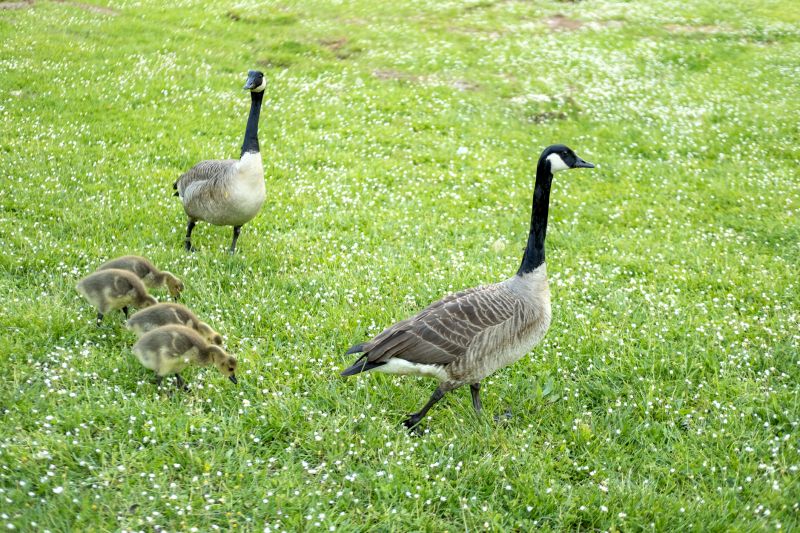
Geese often migrate during spring, making it an ideal time for removals before nesting begins.
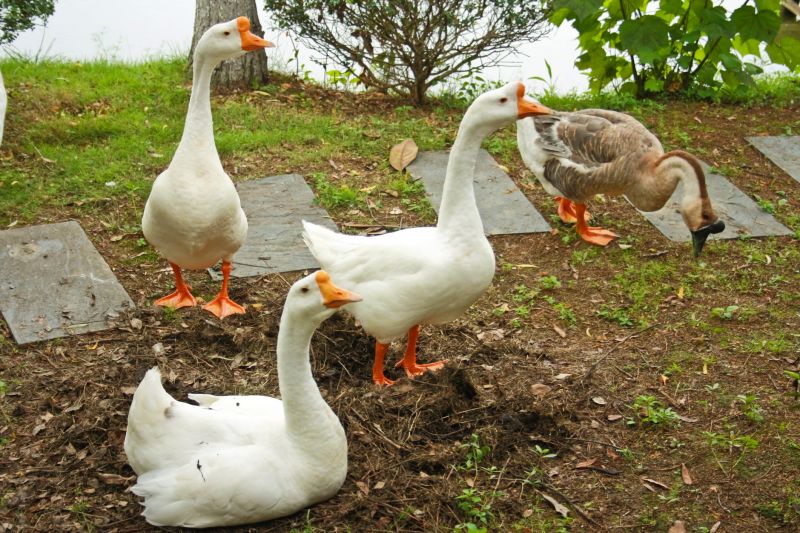
Nesting occurs in summer; removing geese early can prevent nesting and reduce populations.
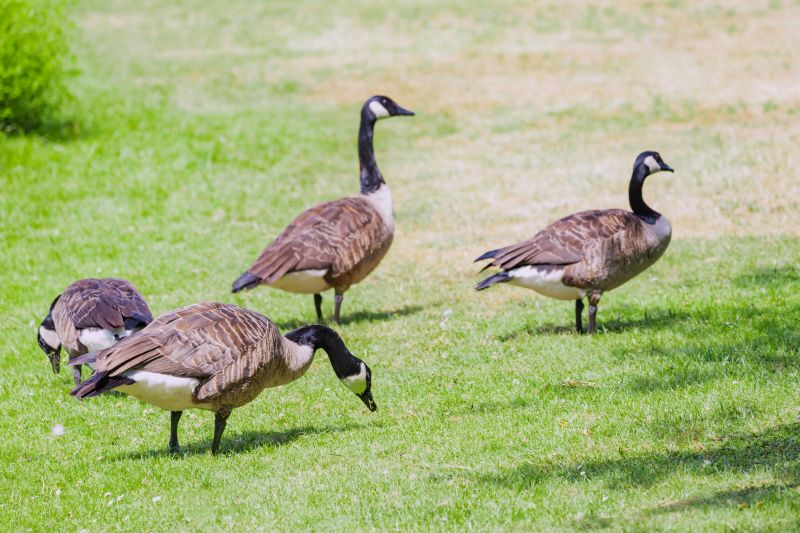
Fall migration sees geese leaving breeding grounds, offering opportunities for effective removal.

Ways to make Geese Removals work in tight or awkward layouts.
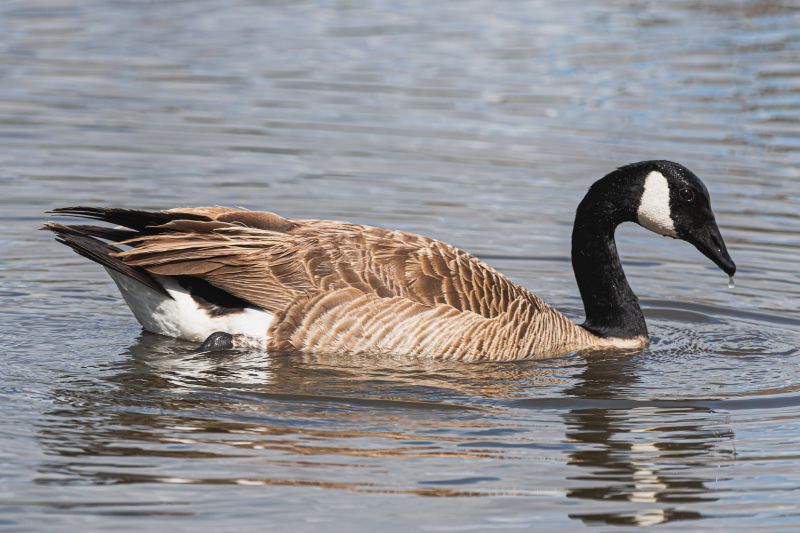
Popular materials for Geese Removals and why they hold up over time.
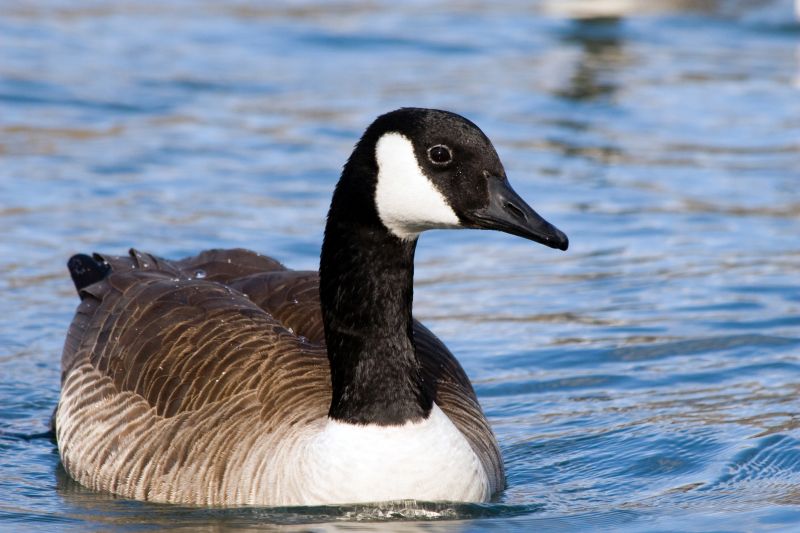
Simple add-ons that improve Geese Removals without blowing the budget.

High-end options that actually feel worth it for Geese Removals.
Finishes and colors that play nicely with Geese Removals.
Geese removals are most effective when timed according to their migration and breeding patterns. Understanding seasonal behaviors helps in planning interventions to control geese populations and prevent issues such as property damage, health concerns, and safety hazards. Geese are known to cause significant damage to landscapes, turf, and waterways, and their droppings can lead to contamination and health risks. According to wildlife studies, geese can produce up to 2 pounds of droppings daily, impacting water quality and land use.
Geese are most active during migration periods in spring and fall, which are optimal times for removal efforts.
Nesting typically occurs in summer, making early intervention crucial to prevent population growth.
Migration patterns influence when geese are present in specific areas, guiding the timing of removal activities.
Timely removals help manage geese populations, reducing damage and health risks.
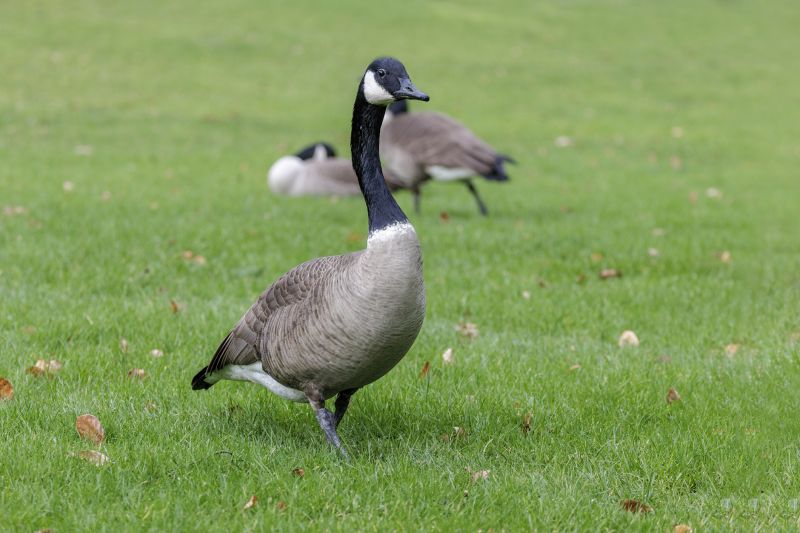
Large flocks migrating during seasonal peaks.

Geese nesting in grassy areas and water bodies.
Geese congregate around ponds and lakes, impacting water quality.
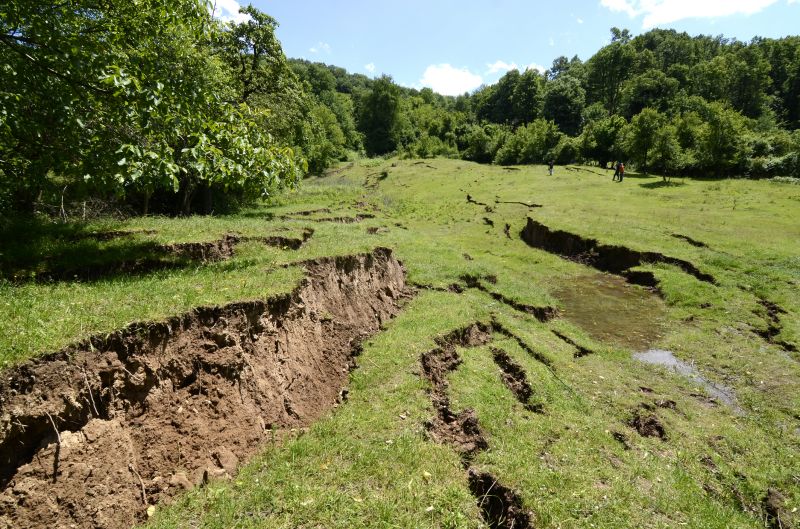
Geese cause turf damage and erosion in public and private spaces.

Little measurements that prevent headaches on Geese Removals day.
A 60-second routine that keeps Geese Removals looking new.
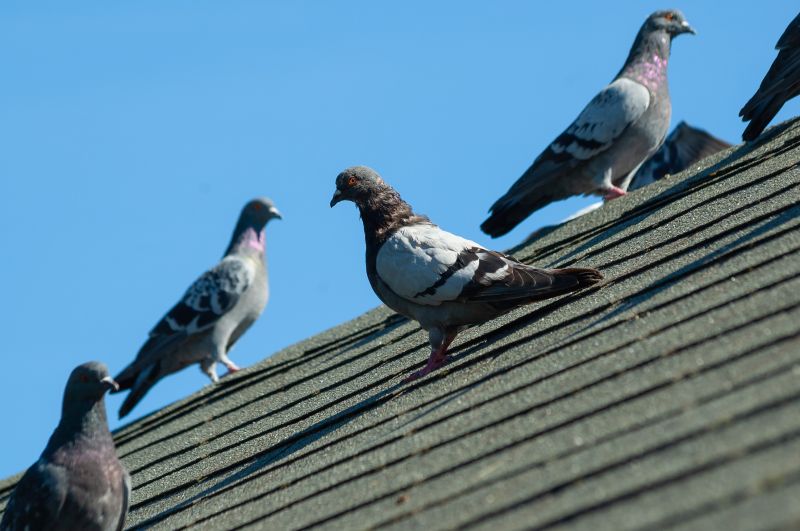
A frequent mistake in Geese Removals and how to dodge it.

Small tweaks to make Geese Removals safer and easier to use.
| Season | Optimal Timing for Removals |
|---|---|
| Spring | Before migration peaks and nesting begins |
| Summer | Early in the nesting season to prevent population growth |
| Fall | During migration to reduce numbers before winter |
| Winter | Limited effectiveness, as geese are less active |
Implementing geese removal strategies during the appropriate seasons can significantly reduce their populations and mitigate associated issues. Timing efforts to coincide with migration and nesting behaviors ensures better results and minimizes disturbance to the environment. Effective removal requires understanding local geese behaviors and migration schedules to optimize intervention periods.
Flocks flying south in the fall.
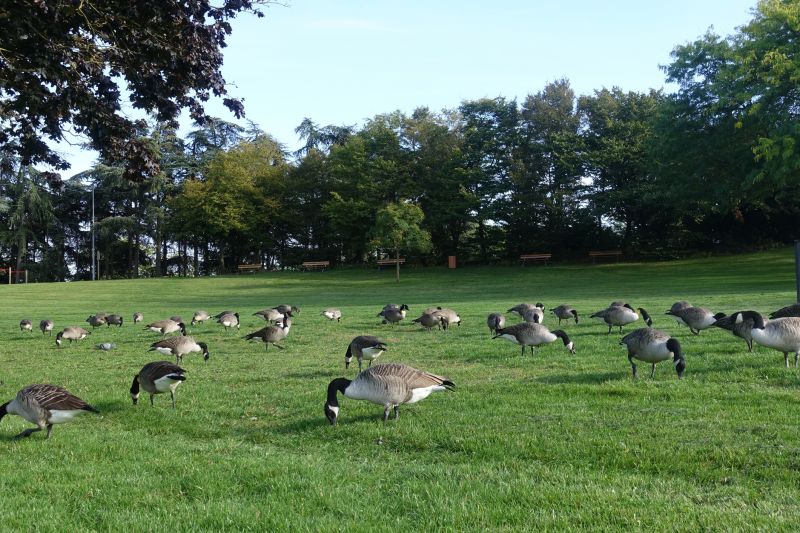
Geese nesting in grassy, water-adjacent locations.
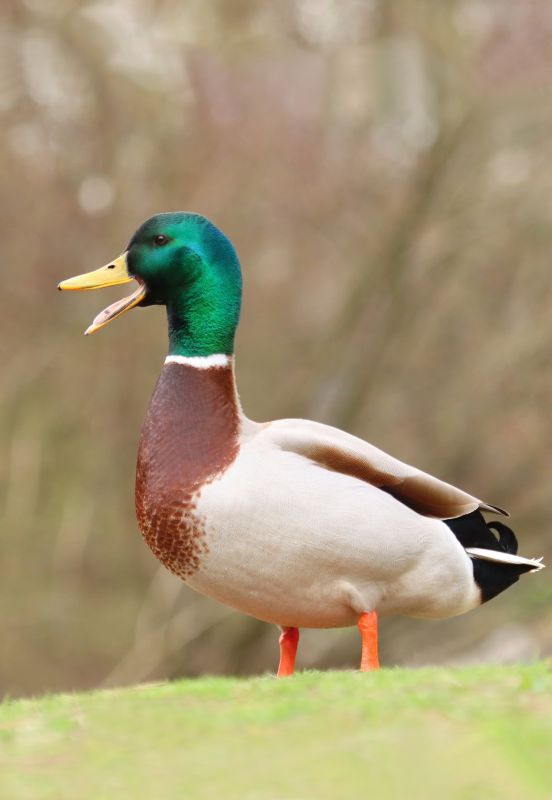
Large groups congregating in ponds during migration.

Removing geese before nesting reduces property and landscape damage.
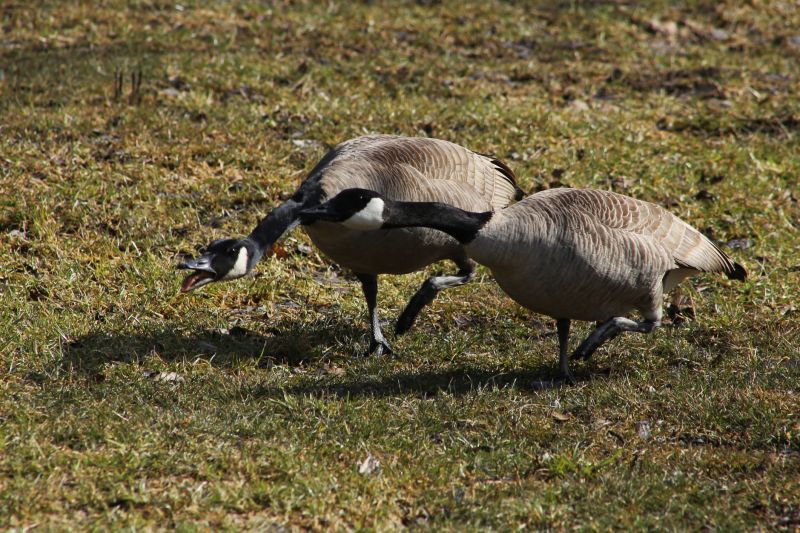
Lower-waste or water-saving choices for Geese Removals.
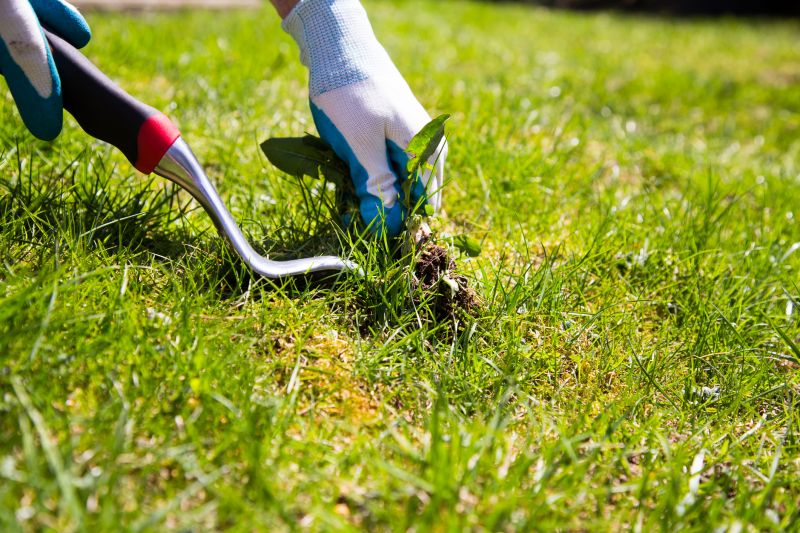
The short, realistic tool list for quality Geese Removals.

Rough timing from prep to clean-up for Geese Removals.

Quick checks and paperwork to keep after Geese Removals.
Timely geese removal is essential for property owners, park managers, and municipalities seeking to control populations and prevent damage. Recognizing migration and breeding cycles enables targeted interventions that are both effective and minimally invasive. Proper planning during peak migration seasons can help manage geese populations efficiently.
Optimal during migration and pre-nesting periods for best results.
Timing affects the success rate of population control efforts.
Different strategies are employed depending on the time of year.
Proper timing helps maintain healthy and manageable populations.
Interested parties are encouraged to contact for more information on effective geese removal schedules and strategies. Proper timing not only enhances the success of removal efforts but also ensures compliance with local wildlife regulations and minimizes environmental impact.