Humane Bird and Bat Deterrent Methods for Large Buildings
People seeking humane bird and bat deterrent methods for large buildings aim to safely discourage wildlife, and local service providers can help implement effective, humane solutions.
If you own or manage large buildings in the area, understanding humane bird and bat deterrent methods can be essential for maintaining a clean and safe environment. Birds and bats often seek shelter in high or sheltered parts of structures, which can lead to issues like debris buildup, property damage, or health concerns. Exploring effective, humane solutions can help property owners address these challenges responsibly while avoiding harm to the animals. Local contractors who specialize in humane bird and bat deterrent methods are equipped to provide practical strategies tailored to the unique needs of large buildings, ensuring that pest management aligns with best practices.
Continuing with the right approach can make a significant difference in preserving the integrity of a building’s exterior and preventing unwanted wildlife from becoming a persistent problem. Many property owners find value in working with local service providers who understand the nuances of humane deterrent methods, offering options that are both effective and considerate of animal welfare. By considering these services, building managers and property owners can explore solutions that protect their investments while promoting ethical treatment of wildlife. Keep reading to learn more about the humane options available and how local experts can assist in implementing them effectively.
- Humane bird and bat deterrent methods for large buildings - property managers seeking humane solutions to prevent bird and bat roosting need local contractors experienced in non-lethal exclusion techniques.
- Humane bird and bat deterrent methods for large buildings - building owners facing persistent bird or bat issues on expansive structures can rely on local pros to install humane deterrents that discourage nesting without harm.
- Humane bird and bat deterrent methods for large buildings - facilities with large rooftops or facades experiencing bird or bat activity often turn to local service providers for effective, humane exclusion systems.
- Humane bird and bat deterrent methods for large buildings - property owners looking for long-term prevention of bird and bat problems on large buildings can work with local contractors skilled in humane deterrent installation.
- Humane bird and bat deterrent methods for large buildings - managers of commercial or industrial structures dealing with bird or bat infestations may seek local pros who specialize in humane, non-invasive exclusion methods.
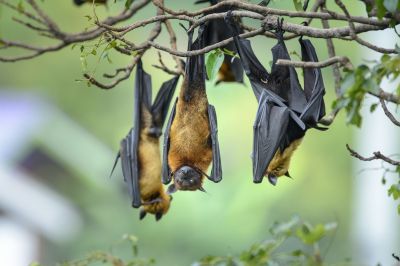
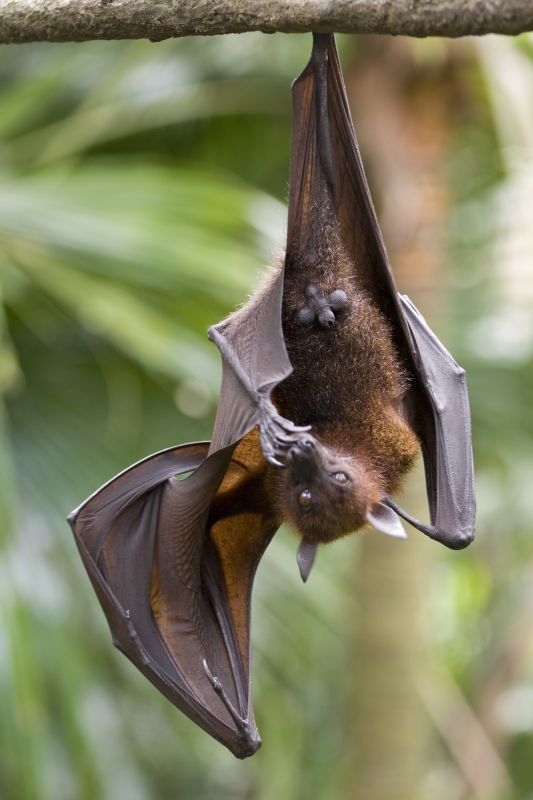

People searching for humane bird and bat deterrent methods for large buildings are typically looking for ways to prevent these animals from roosting, nesting, or settling on their properties without causing harm. Such searches often stem from concerns about property damage, health risks, or nuisance issues caused by large flocks or colonies. Building owners and managers may be dealing with persistent bird droppings on rooftops, ledges, or signage, or bats taking refuge in eaves, attics, or behind facades. The goal is usually to find effective, ethical solutions that discourage animals from settling in specific areas while ensuring their safety and well-being.
These projects are commonly related to commercial or institutional properties, such as office buildings, warehouses, shopping centers, or large residential complexes. These structures often feature expansive rooftops, high ledges, and crevices that provide ideal roosting spots for birds and bats. Property managers or building owners typically seek humane deterrent methods to address ongoing issues without resorting to harmful traps or lethal measures. In many cases, the focus is on implementing strategies that can be integrated into ongoing maintenance plans or building renovations, making it essential to work with service providers experienced in humane wildlife control.
The problems associated with large buildings and bird or bat populations often involve property damage, health concerns, and aesthetic issues. Bird droppings can corrode building materials and create slip hazards, while bat colonies may cause noise disturbances or leave behind droppings that require cleanup. Plans for addressing these issues usually involve installing deterrents that are humane and non-invasive, such as visual repellents, exclusion devices, or habitat modification techniques. Local service providers specializing in humane bird and bat deterrent methods can assess the specific needs of each property, recommend appropriate solutions, and help ensure that the methods used are effective and aligned with humane practices.
Properties that typically come up in these discussions include large commercial buildings, industrial facilities, educational campuses, and historic structures. These properties often have features like flat roofs, open eaves, or decorative architectural elements that attract birds and bats. Because of the size and complexity of these structures, working with experienced local contractors is crucial to develop tailored deterrent strategies. These professionals can evaluate the property’s design, identify access points and attractants, and implement humane methods that prevent animals from returning, all while maintaining the integrity and appearance of the building.
Bird exclusion projects involve installing physical barriers and deterrents on large buildings, requiring planning and specialized tools similar to humane bird deterrent methods.
Ultrasonic pest control installations use sound-based deterrents that can be adapted to prevent bird and bat roosting, aligning with techniques for humane bird and bat deterrent methods.
Building sealing and repair work focuses on closing entry points to prevent wildlife intrusion, which complements the planning skills used in humane bird and bat deterrent projects.
Wildlife-proofing services involve installing netting, spikes, and other humane deterrents to protect buildings from bird and bat activity, sharing tools and strategies with humane deterrent methods.
Roof and facade modification projects often include installing deterrent devices that are humane and non-invasive, requiring similar planning and installation skills as humane bird and bat deterrent methods.
Habitat modification services aim to make large building environments less attractive to birds and bats through humane means, utilizing planning and installation techniques comparable to those used in humane bird and bat deterrent projects.
When evaluating service providers for humane bird and bat deterrent methods for large buildings, it is important to consider their experience with similar projects. A contractor with a proven track record in handling large-scale bird and bat deterrent solutions will be better equipped to address the unique challenges of your building. Asking about past work can help determine if a contractor has the necessary expertise to implement effective and humane methods tailored to your specific structure and needs.
Clear written expectations are essential to ensure that both parties understand the scope of work, the methods to be used, and the desired outcomes. When comparing local contractors, look for detailed proposals or written plans that outline the approach to humane bird and bat deterrent methods. This transparency helps prevent misunderstandings and provides confidence that the chosen professional can deliver results aligned with your goals.
Reputable references and good communication are key indicators of a reliable service provider. Speaking with previous clients or reviewing references can reveal insights into how well a contractor manages projects and communicates throughout the process. A contractor who maintains open, clear, and timely communication can help keep the project on track, answer questions effectively, and ensure that expectations are met. Prioritizing these qualities can lead to a smoother experience when implementing humane bird and bat deterrent methods for large buildings.
Property owners often search for humane bird and bat deterrent methods for large buildings when they are planning practical projects around their homes and businesses. Local pros provide Humane Bird and Bat Deterrent Methods services for everyday jobs and straightforward project options.
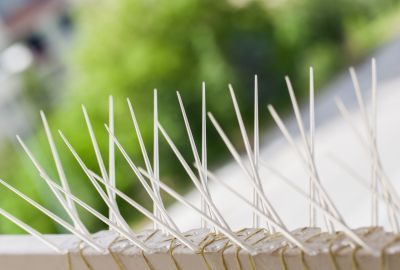
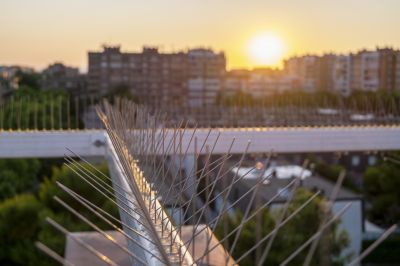
Many property owners in the area find themselves dealing with bird and bat populations roosting on large buildings, especially around ledges, eaves, and rooflines. These animals can cause issues such as debris buildup, noise, and potential health concerns, prompting building managers and owners to seek humane deterrent methods. Simple, effective solutions are often needed to discourage birds and bats from settling without harming them, making humane bird and bat deterrent methods a practical consideration for maintaining building safety and cleanliness.
Local service providers who specialize in humane bird and bat deterrent methods for large buildings offer a variety of non-lethal strategies to address these challenges. These professionals can evaluate specific building features and recommend tailored solutions, such as bird spikes, netting, or exclusion devices, to prevent roosting and nesting. Property owners looking for reliable, humane options to manage bird and bat activity may find it beneficial to compare local contractors who have experience with these methods, ensuring the job is handled effectively and ethically.
What are humane bird and bat deterrent methods for large buildings? Humane bird and bat deterrent methods for large buildings include techniques like visual deterrents, exclusion devices, and habitat modification that discourage roosting or nesting without harming the animals.
How do local contractors implement humane deterrent solutions? Local contractors assess building structures and wildlife activity to recommend and install humane deterrent methods that prevent birds and bats from settling, while ensuring their safety.
Are there effective non-lethal options for deterring birds and bats? Yes, effective non-lethal options include installing bird spikes, netting, and ultrasonic devices, as well as sealing entry points to keep birds and bats away humanely.
Can humane deterrent methods be customized for large buildings? Yes, service providers can tailor humane deterrent strategies to the specific design and wildlife patterns of large buildings for optimal results.
What role do service providers play in maintaining humane bird and bat deterrent systems? Local service providers monitor and maintain deterrent systems to ensure they remain effective and humane over time, reducing unwanted wildlife presence safely.
Install bird and bat exclusion devices - property owners can work with local contractors to set up humane exclusion barriers that prevent animals from entering building spaces.
Use visual deterrents - applying reflective tapes or predator decoys on rooftops and ledges can discourage birds and bats from roosting, with local pros providing safe installation.
Implement habitat modification strategies - removing or modifying potential roosting sites, such as tree branches or building ledges, can be handled by local service providers to reduce attraction.
Apply humane deterrent systems - local contractors can install sound or motion-based deterrents that gently discourage birds and bats from settling on large building exteriors.
If you are thinking about humane bird and bat deterrent methods for large buildings for a property, this guide is meant to help you understand this topic, the typical project types, and how different options might fit your plans.
When you are ready, you can use the quote form on this page to share a few details about your project. From there, local pros can review the basics and follow up with options that match what you have in mind.